Body Contouring Farmington Hills: Is It Right for Your Aesthetic Vision?
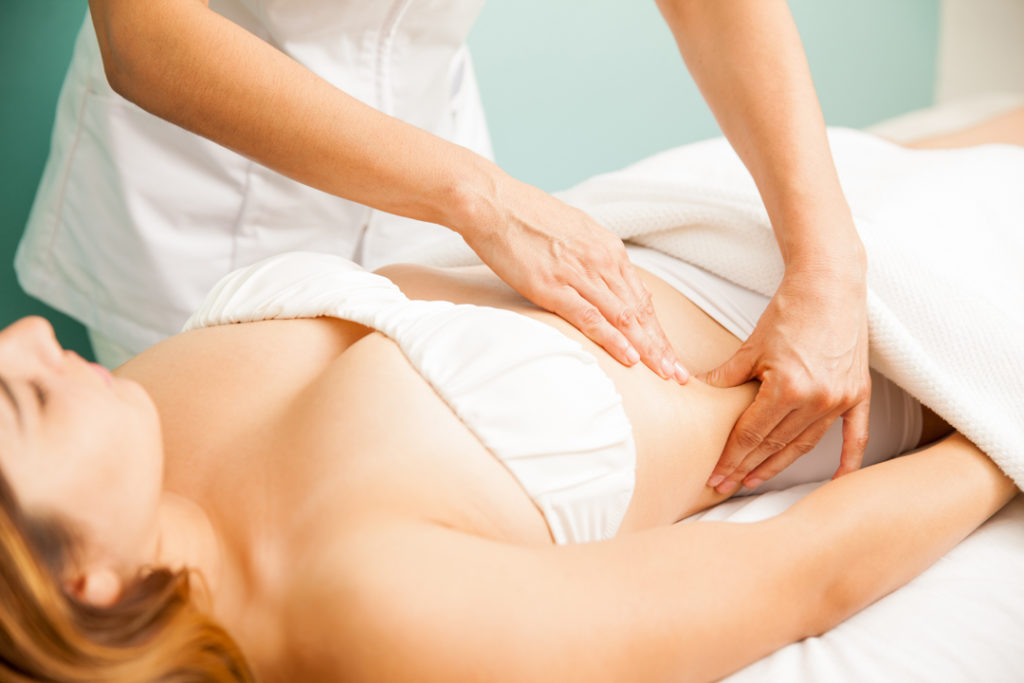
There is a big difference between wanting to change your body and wanting to refine it. Most people who start looking into body contouring are not chasing a completely different appearance. They are usually trying to bring their outer shape closer to how they already feel inside: healthier, more intentional, more balanced, or simply more comfortable in their clothes.
That distinction matters, especially when discussing Body Contouring Farmington Hills with patients who have already put real effort into diet, strength training, walking, Pilates, or postpartum recovery. Body contouring is rarely a substitute for those habits. More often, it becomes relevant after someone has built those habits and still sees stubborn fullness, loose skin, or uneven proportions that do not respond the way they hoped.
If you are weighing your options, the better question is not whether body contouring is popular or available. The better question is whether it fits your aesthetic vision, your timeline, your tolerance for downtime, and the actual anatomy you want to improve.
What body contouring really means
“Body contouring” sounds broad because it is broad. In practice, it can refer to nonsurgical treatments that reduce pockets of fat, tighten skin, or tone muscle appearance. It can also refer to surgical procedures that remove fat, excise excess skin, or reshape an area more dramatically.
Those are very different categories, and patients sometimes walk into consultations treating them like interchangeable versions of the same service. They are not. A person with mild lower abdominal fullness and good skin elasticity might be a reasonable candidate for a nonsurgical option. A person with significant skin laxity after weight loss or pregnancy may need a surgical solution to get the result they actually want.
This is where expectations often rise or fall. Body contouring works best when the treatment matches the tissue problem. Fat responds differently than skin. Skin responds differently than muscle separation. Love handles, bra bulges, lower belly fullness, inner thigh rubbing, and laxity along the jawline each have their own anatomy and their own best treatment path.
A thoughtful provider will spend more time identifying the source of the concern than selling a device or procedure.
The role of aesthetic vision
The phrase “aesthetic vision” may sound lofty, but in consultations it usually comes down to a few practical questions. Do you want to look leaner in fitted clothes? Are you hoping for a waistline that feels more defined? Is your goal smoother skin texture, less fullness under the chin, or a flatter abdomen after pregnancy? Do you want a subtle change that no one can identify, or are you looking for a more dramatic reshaping?
People who are happiest with body contouring tend to have a fairly specific goal. Not an obsessive one, but a concrete one. “I want my midsection to look less square in dresses” is specific. “I just want to look better” is emotionally honest, but medically vague. Vague goals can still be explored, though they usually need to be translated into visible priorities before treatment starts.
I have seen patients light up once they understand this shift. They stop asking, “What is the best body contouring treatment?” and start asking, “What is the best way to address this exact issue on my body?” That is a much more productive conversation.
Common reasons people in Farmington Hills look into body contouring
The motivations are often personal and ordinary, not extreme. Someone may be preparing for a wedding, a reunion, a beach vacation, or a return to the office wardrobe they no longer feel confident wearing. Others have gone through weight loss and want their shape to reflect the work they put in. Postpartum patients often describe feeling strong and grateful for their bodies while also wanting help with areas that simply did not “bounce back.”
In a place like Farmington Hills, where many patients are balancing work, family responsibilities, community commitments, and year round seasonal wardrobe changes, body contouring decisions are often shaped by lifestyle as much as aesthetics. A teacher may want something with minimal downtime. A business owner may care about bruising or swelling because of face to face meetings. A parent of young children may be interested in improvement but not able to manage a surgical recovery right now.
Those lifestyle realities should influence the decision just as much as before and after photos.
Nonsurgical versus surgical, where the line really is
Nonsurgical body contouring has strong appeal because it sounds efficient. No operating room, no major incisions, limited downtime. For the right candidate, that can be a real advantage. Treatments aimed at fat reduction or skin tightening may improve contour gradually over several weeks or months. The changes are often modest to moderate, not dramatic. That does not make them ineffective. It just means they are best for refinement.
Surgical contouring is more invasive, but it can address issues that devices cannot. Liposuction can remove larger amounts of localized fat and sculpt more decisively. Procedures that remove excess skin can create a tighter result when laxity is the dominant issue. Recovery is longer, bruising and swelling are more significant, and the financial commitment is usually higher. Still, for the right anatomy, surgery may be the most direct route to a satisfying result.
A useful way to think about it is this: if your concern is mild and your expectations are reasonable, nonsurgical treatment may align well. If your https://maps.app.goo.gl/C7R83h4BFVWygmYv7 concern is structural, pronounced, or related to substantial skin excess, a device may disappoint you no matter how attractively it is marketed.
Areas that tend to respond well
Not every body area responds equally, and that nuance matters. The abdomen remains one of the most commonly treated areas because even small changes there can affect how clothes fit. Flanks are another frequent target because they influence the waistline from both the front and the back. Under the chin is popular for the same reason, although it is often discussed separately from body contouring because it sits in a facial zone.
Inner thighs, outer thighs, upper arms, and the area around the bra line can also be treated, but these regions require careful judgment. Some have thinner skin, some show textural irregularities more easily, and some need more than fat reduction to look smoother. A patient may think she wants “fat removed” from the upper arm, when the real issue is a combination of skin laxity and fullness. If only one piece is addressed, the result can feel incomplete.
The best plans are tailored, not copied from what worked for someone else.
Who tends to be a good candidate
Body contouring usually works best for patients who are near a stable, sustainable weight. That does not mean you need to be at an arbitrary “goal weight.” It means your body should not be in the middle of major fluctuations. If someone plans to lose another thirty pounds, many providers will suggest waiting before contouring. The same logic applies if someone recently gained weight and is still actively trying to reverse that trend.
Skin quality matters almost as much as weight. Good elasticity can help treatments produce cleaner, smoother results. Poor elasticity may limit what can be achieved without surgery. Age alone does not decide this. I have seen younger patients with significant laxity after weight loss and older patients with surprisingly resilient skin. Genetics, sun exposure, collagen quality, pregnancies, and weight cycling all play a role.
Health history matters too. Any consultation worth your time should cover prior surgeries, scarring tendencies, medications, autoimmune conditions, smoking or nicotine use, and plans for future pregnancy if the abdomen is involved.
The emotional side of the decision
Body contouring can be a positive, confidence restoring choice. It can also become a frustrating one if it is approached in the wrong emotional state. If a person is using cosmetic treatment as a stand in for grief, relationship stress, burnout, or severe body dissatisfaction, the result may not feel like enough, even if the procedure technically goes well.
That does not mean you need perfect self esteem before pursuing treatment. Very few people feel entirely neutral about their appearance. It does mean that your goal should come from clarity, not desperation. The strongest candidates often sound grounded. They say things like, “I feel good overall, but this one area has bothered me for years,” or “I want my silhouette to match the work I’ve put in.”
That mindset tends to produce healthier expectations and more satisfaction afterward.
What a strong consultation should include
A consultation should feel educational, not rushed. You should come away understanding what can realistically improve, what probably will not, how many sessions may be needed, what recovery may look like, and how long results usually take to appear.
A provider discussing Body Contouring Farmington Hills responsibly should also assess whether you are a poor candidate for the treatment you requested. That may sound counterintuitive, but it is one of the best signs you are in good hands. A credible consultation includes the willingness to say, “This is not likely to deliver the outcome you have in mind.”
Here are a few signs that a consultation is thorough and worth trusting:
- The provider examines the area directly rather than relying only on photos.
- They distinguish between fat, skin laxity, and muscle related issues.
- They discuss likely improvement in percentages or ranges, not perfection.
- They explain downtime, bruising, swelling, and the possibility of asymmetry or revision.
- They offer alternatives, including doing nothing right now.
That last point matters more than many patients realize. Sometimes the smartest recommendation is to defer treatment, stabilize weight, finish postpartum recovery, or address a different concern first.
Results take patience, and sometimes restraint
One common source of disappointment is timing. Nonsurgical body contouring often works slowly. Fat reduction can take weeks or months to become visible. Skin tightening may continue evolving over time. Swelling can temporarily obscure early improvement, especially after more intensive treatments. If someone expects a one week transformation, they are setting themselves up for frustration.
Even surgical contouring requires patience. Early postoperative shape is not the final shape. Swelling can linger longer than many people expect, particularly in the abdomen and flanks. Clothing may fit differently before things fully settle. Scar maturation takes time. Anyone considering treatment should factor in not just the procedure date, but the full arc of healing.
Restraint also matters. Over treating an area can create an unnatural look, especially in places where smooth transitions are more attractive than aggressive volume reduction. Good contouring is often about proportion and harmony, not maximum removal.
Cost, value, and the danger of bargain shopping
Aesthetic pricing varies widely, and patients understandably compare numbers. Still, price without context is not useful. A lower quote may reflect a smaller treatment area, fewer sessions, less experienced staff, a different technology, or less comprehensive aftercare. A higher quote does not automatically mean better, but very low pricing in aesthetics should prompt questions.
The real cost is not just the fee you pay on treatment day. It includes time off work if needed, compression garments in some cases, follow up visits, possible touch ups, and the emotional cost of choosing a treatment that never had a Body Contouring Farmington Hills good chance of meeting your goal.
I have seen patients spend money twice because they selected the least expensive option first, then had to seek a second treatment plan that better matched their anatomy. In the end, they spent more and waited longer.
Value lies in fit: the right treatment, for the right concern, performed by the right provider.
When body contouring may not be right, at least not yet
Sometimes the honest answer is no, or not now. That can be hard to hear, but it is often the most useful guidance.
You may want to pause if any of these apply:
- Your weight is still changing significantly.
- You are hoping one treatment will solve several different issues at once.
- You are close to pregnancy or recently postpartum and still healing.
- You are expecting a dramatic result from a mild treatment.
- You feel pressured by someone else’s opinion of your body.
There is nothing wrong with revisiting the decision later. Cosmetic treatment should be timed around readiness, not urgency.
Questions worth asking yourself before booking
A little self reflection saves a lot of second guessing. Ask yourself what bothers you most when you look in the mirror or get dressed. Is it a true contour issue, or is it more about skin texture, posture, bloating, or clothing fit? How visible is the concern in your daily life? How much downtime can you realistically manage? How patient are you with gradual results? Would a 15 to 25 percent improvement feel worthwhile, or would that seem disappointing?
Those numbers are not promises, just examples of the kind of realistic improvement some patients consider meaningful with less invasive treatments. For other patients, that degree of change would not justify the cost or effort. Neither viewpoint is wrong. It depends on your priorities.
You should also think about maintenance. Some contouring results last well if your weight remains stable. Others may benefit from repeat treatments or a broader lifestyle plan. If you dislike the idea of ongoing upkeep, that may influence which option makes sense for you.
The Farmington Hills factor, choosing locally with care
Choosing a provider close to home has practical benefits. Follow up is easier. Scheduling is simpler. Recovery support is more manageable. If you are considering Body Contouring Farmington Hills, convenience can be a meaningful advantage, especially for treatments that require multiple visits.
That said, convenience should not outrank qualifications. Experience with anatomy, candidacy assessment, and complication management matters more than zip code. The ideal local provider is one who combines accessibility with sound judgment. You want someone who can explain why a treatment fits your body, not just why it is available this month.
It is also worth paying attention to how a practice presents outcomes. Strong practices usually show a range of results, not only the most dramatic ones. They speak clearly about limitations. They do not imply that every concern can be solved by the same machine or package.
What satisfaction usually looks like
The happiest patients are not always the ones with the most dramatic transformations. They are often the ones whose outcome matches their original vision closely enough that daily life feels easier. Pants sit better at the waist. A fitted top looks smoother. They stop fixating on one area when getting dressed. Photos become less stressful. Confidence returns quietly, not theatrically.
That is a useful benchmark. If your hope is to feel more aligned, more proportional, or less distracted by a persistent trouble spot, body contouring may be a strong fit. If your hope is to erase every sign of age, pregnancy, or weight fluctuation from your body, you may need a longer conversation about what treatment can and cannot do.
Making the decision with clear eyes
Body contouring is not a vanity shortcut, and it is not a magic fix. At its best, it is a precise tool for people who know what they want refined and are willing to choose the method that honestly fits the problem. For some, that means a nonsurgical series and patience. For others, it means acknowledging that surgery is the only route likely to deliver the shape they envision. For still others, it means waiting, maintaining, and revisiting the idea later.
If your aesthetic vision is realistic, specific, and rooted in your own preferences rather than outside pressure, body contouring can be a very reasonable next step. The key is not whether the treatment exists in Farmington Hills. The key is whether the treatment matches your body, your goals, and your life well enough to feel worth it when the swelling fades, the bills are paid, and you are simply standing in front of your closet on an ordinary Tuesday morning.
That is where the decision becomes real. And that is usually where the right answer becomes clear.