Can Body Contouring in Michigan Help After Major Weight Loss?
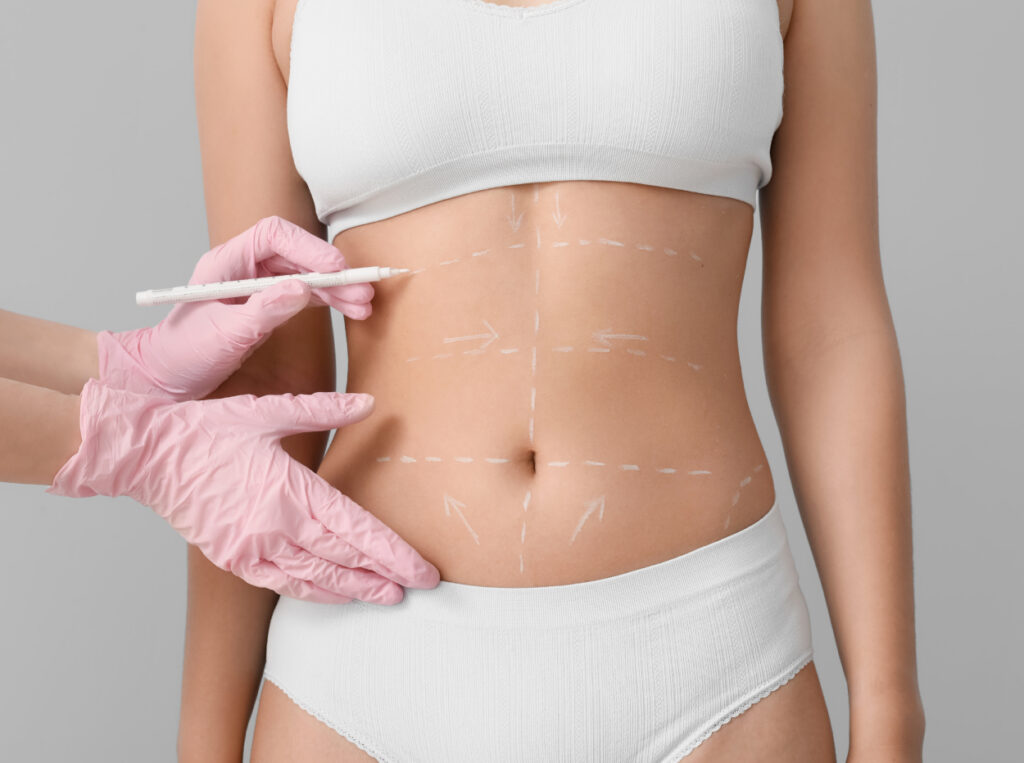
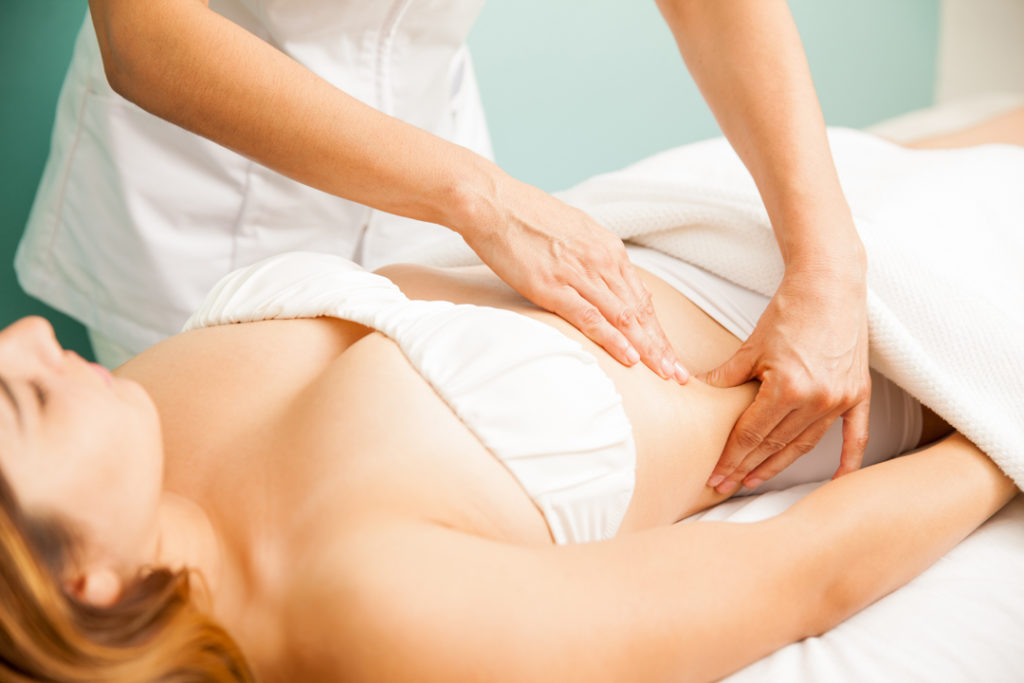
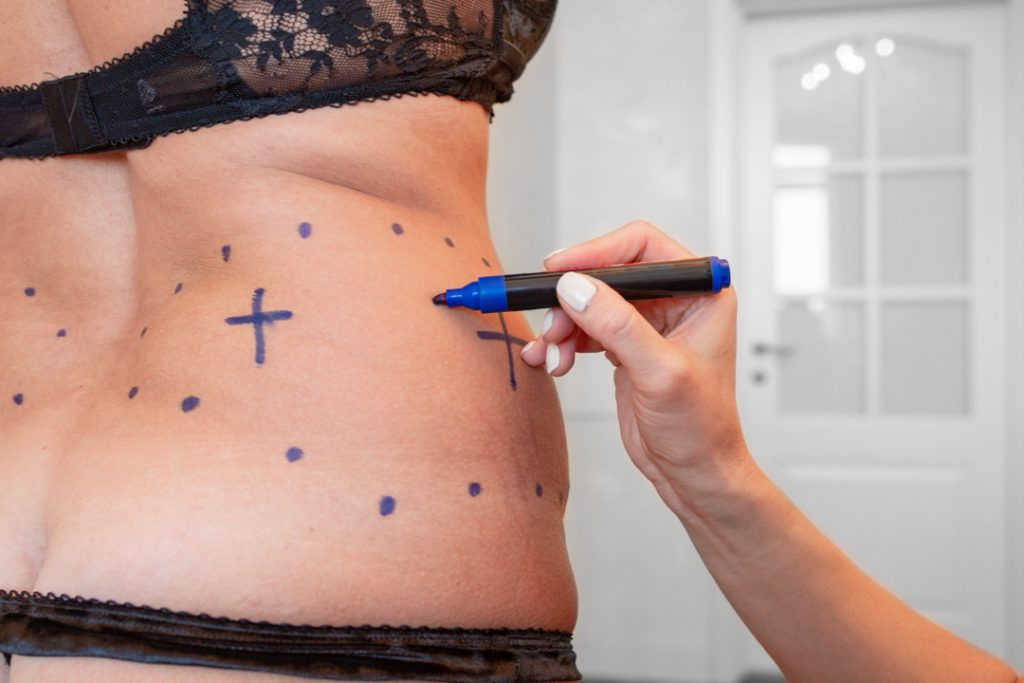
Losing a significant amount of weight changes far more than the number on a scale. It can improve blood pressure, joint pain, blood sugar control, sleep, mobility, and self-confidence. Yet many people reach that milestone and find themselves facing a frustrating reality they did not expect. The weight is gone, but loose skin, stretched tissue, and uneven contours remain.
That gap between how healthy someone feels and how their body now looks is often where body contouring enters the conversation. For many patients in Michigan, body contouring is not about chasing perfection. It is about comfort, proportion, function, and finally feeling that the outside matches the work they have already done.
The short answer is yes, body contouring in Michigan can help after major weight loss, often substantially. But it helps in specific ways, under the right conditions, and with trade-offs that deserve honest discussion.
What major weight loss often leaves behind
After a large weight change, the skin does not always shrink back. Age, genetics, sun exposure, how long the body carried extra weight, pregnancy history, and the amount of weight lost all affect how much elasticity remains. Someone who loses 30 pounds may have a very different skin response than someone who loses 100 pounds or more.
The most common concerns I hear about after major weight loss are not purely cosmetic. People describe skin that folds over itself and traps moisture. They mention rashes under the abdomen or breasts, discomfort during exercise, and clothing that never fits correctly because the body has changed shape in ways standard sizes do not account for. Some talk about the emotional side just as plainly. They worked hard to transform their health, yet they still avoid mirrors, photos, or fitted clothing.
Loose skin can show up almost anywhere, but a few areas come up repeatedly: the lower abdomen, upper arms, thighs, chest, breasts, back, buttocks, and neck. In some patients, the concern is isolated to one area. In others, the looseness is circumferential and affects the entire midsection.
That distinction matters because body contouring is not one operation. It is a category of procedures designed to remove excess skin, reshape tissue, and improve body proportions after weight loss.
What body contouring actually means
The phrase “body contouring” gets used broadly, and that can create confusion. Some people hear it and think of noninvasive fat reduction. Others assume it means liposuction alone. After major weight loss, however, body contouring usually refers to surgical procedures that remove extra skin and tighten or reposition tissue.
If someone has lost a large amount of weight and now has hanging skin, surgery is typically the only meaningful way to address that skin excess. Creams, exercise, and most nonsurgical treatments cannot remove significant redundant skin. They may improve skin quality modestly, but they do not solve the central problem.
Depending on the anatomy and goals, body contouring in Michigan may include procedures such as:
- abdominoplasty, often called a tummy tuck
- lower body lift
- arm lift
- thigh lift
- breast lift or chest contouring, sometimes with augmentation or reduction
These are not interchangeable. A person with a large apron of abdominal skin may benefit from an abdominoplasty, while someone with looseness extending around the flanks and lower back may need a lower body lift for a more balanced result. An experienced surgeon should explain that difference clearly, because one of the most common disappointments in post-weight-loss surgery comes from treating only the front while leaving significant side or back tissue unaddressed.
Why Michigan patients often seek body contouring
Michigan brings a few practical realities into this decision. The climate matters more than people think. In humid summers, skin folds can become irritated quickly. During cold months, layering heavier clothing may hide loose skin, but it can also conceal worsening rashes or friction problems that patients stop mentioning because they have simply learned to live with them.
There is also a very practical lifestyle component. People who have worked hard to become more active often want to run, swim, hike, cycle, or lift weights without excess tissue pulling, bouncing, or chafing. It is not unusual for someone to say, “I finally enjoy moving, but now this skin gets in the way.”
Another factor is timing. In Michigan, many people plan surgery around work schedules, school calendars, and winter recovery periods when staying indoors feels less disruptive. That may sound minor, but real recovery planning often determines whether the experience feels manageable or overwhelming.
The benefits can be real, and they go beyond appearance
When body contouring is well planned, the benefits are often tangible. Clothing fits more predictably. Exercise becomes easier. Hygiene improves. Skin irritation may decrease. The silhouette of the body becomes closer to the patient’s actual frame rather than being distorted by empty skin.
There is also a psychological effect that should not be minimized. Major weight loss can be physically transformative while still leaving someone feeling stuck between two identities. They may no longer identify with the body they once had, but they do not yet feel fully at home in https://www.google.com/maps?cid=8379921952699446998 the body they now live in. Body contouring can help close that gap.
That said, it is important to describe these benefits accurately. Surgery can improve contour. It can remove excess skin. It can make the body feel more proportional. It cannot create perfection, erase every sign of weight fluctuation, or make scars disappear. Patients who do best usually understand both sides of that equation before surgery, not after.
Who tends to be a good candidate
The best candidates for body contouring after major weight loss usually share a few characteristics. First, their weight is relatively stable. Stability matters because continued loss or regain can affect results. Many surgeons prefer that patients maintain a steady weight for several months, often longer, before moving forward.
Second, nutritional status matters. This is especially important for people who lost weight after bariatric surgery. Protein intake, vitamin levels, iron stores, and general healing capacity all influence recovery. It is possible to be at a healthy weight and still be nutritionally depleted. That is not a small detail. It can affect wound healing, energy levels, and complication risk.
Third, a good candidate has realistic expectations. They understand that body contouring improves shape but comes with scars, swelling, a recovery period, and sometimes more than one stage of surgery.
Fourth, smoking and nicotine use are serious issues. Nicotine constricts blood vessels and increases the risk of wound healing problems significantly, especially in procedures that rely on skin viability after tissue removal and tightening. Many surgeons require patients to stop all nicotine products well before surgery and remain off them during recovery.
Pregnancy plans matter too. Someone considering future pregnancies may still be a candidate for some procedures, but the timing should be discussed honestly. If a patient expects significant body changes in the near future, postponing surgery can make more sense.
The consultation should feel detailed, not rushed
A good consultation for body contouring does not feel like a sales pitch. It feels specific. The surgeon should examine the pattern of skin excess, ask about weight history, review medical conditions, discuss scars and recovery, and talk through whether one procedure or staged surgery makes the most sense.
In post-weight-loss patients, staging is common. Combining too many procedures at once can increase operative time, swelling, and recovery burden. Some people do better beginning with the abdomen and lower body, then addressing arms, breasts, or thighs later. Others need the chest or breast area prioritized first because that is where most of their discomfort sits.
This is one of those places where judgment matters. There is no universal sequence. The right plan depends on anatomy, health, finances, time off work, support at home, and how much postoperative care a patient can realistically manage.
A surgeon experienced in body contouring in Michigan should also discuss the difference between what is desirable and what is safe. Patients often come in hoping to “do everything at once.” Sometimes that is feasible. Often it is not. The best surgical plans are not the most ambitious on paper. They are the ones most likely to heal well and produce durable results.
What recovery is really like
Recovery after body contouring is not trivial. That should be stated plainly. Even patients who are highly motivated can be surprised by the logistics. Swelling, tightness, fatigue, temporary limitations in movement, and the need for help at home are all common.
Abdominal procedures can make standing fully upright uncomfortable at first. Arm lifts may limit how easily someone can reach overhead. Thigh procedures can make walking and sitting awkward in the early healing phase. Drains may be used depending on the operation and the surgeon’s technique. Compression garments are often part of the plan.
Pain is not always the hardest part. For many patients, it is the combination of restricted movement, sleeping position changes, follow-up appointments, garment use, and the sheer patience required during swelling and scar maturation. People who prepare for those realities generally cope better than those who focus only on the end result.
A few practical recovery questions are worth settling before surgery:
- Who will drive you home and stay with you the first night?
- How much time can you truly take away from work?
- If you have children, pets, or physically demanding responsibilities, who will cover them?
- Can you set up a recovery space that minimizes stairs and frequent bending?
- Are you prepared for results to look incomplete for weeks or even months while swelling settles?
Patients often underestimate the final point. Postoperative bodies do not look polished right away. They look surgical. Bruising fades, swelling shifts, scars mature, and contour refines gradually. The six-week mark is not the end of healing. It is often just the point where life begins to feel more normal again.
The scar question deserves an honest answer
Any discussion of body contouring after major weight loss should address scarring directly. These procedures trade excess skin for scars. There is no responsible way around that fact.
The better way to frame it is not “Will there be scars?” but “Where will they be, how long might they be, how do they usually heal, and is that trade worth it to you?” Most people seeking post-weight-loss contouring decide that it is. They would rather have a flatter abdomen, less hanging skin, or more balanced body lines even if it means a visible scar hidden under underwear, swimwear, or clothing.
Scar quality varies. Genetics, skin tone, tension on the incision, aftercare, sun exposure, and healing history all play a role. Some scars mature into thin pale lines. Others stay more noticeable. Good surgeons plan incision placement carefully, but no surgeon can promise invisible scars.
That level of candor usually helps rather than hurts. Most patients would rather hear the truth upfront than feel surprised later.
Risks and trade-offs matter as much as the benefits
Any surgical procedure carries risk. With body contouring, the more common concerns include delayed wound healing, fluid collections, bleeding, infection, asymmetry, numbness, widened scars, contour irregularities, and the possibility of revision surgery. Higher body mass index, nutritional issues, nicotine use, diabetes, and very long operative times can all raise the risk profile.
Post-weight-loss surgery also presents unique tissue challenges. Skin quality may be poor. The amount of excess can be extensive. Tissue sometimes behaves differently than patients expect, particularly in areas like the upper inner thigh or arms, where scar tension and movement are constant.
That does not mean surgery is a bad idea. It means the value of surgery lies in careful selection and planning. A thoughtful surgeon will tell a patient when expectations need adjusting, when a second stage is wiser, or when they should wait until their weight and health are more stable.
One of the strongest signs of a good consultation is hearing the phrase, “Here is what I would recommend, and here is what I would not recommend for you.” Restraint is part of expertise.
Cost, insurance, and the practical side of the decision
For many Michigan patients, cost is the factor that determines whether surgery happens now, later, or not at all. Body contouring is often considered elective, though there are cases where insurers may cover a limited functional procedure, such as removal of a large abdominal pannus, if strict criteria are met. Coverage rules vary widely, and cosmetic reshaping beyond basic functional tissue removal is often not included.
Patients should understand that a panniculectomy and an abdominoplasty are not the same procedure, even though they may overlap in some cases. A panniculectomy focuses on removing hanging abdominal tissue. A tummy tuck typically adds contouring goals such as muscle repair and more comprehensive reshaping. That difference affects planning, price, and sometimes insurance eligibility.
When cost is a concern, staged surgery can help. It may allow someone to address the most troublesome area first rather than postponing everything indefinitely. For one person that is the abdomen. For another it is the breasts or arms, especially if those areas interfere with exercise or daily comfort more than the midsection does.
Choosing the right surgeon in Michigan
The quality of the surgical plan often matters as much as the procedure itself. Body contouring after major weight loss is not just about technical skill in the operating room. It requires judgment, patient selection, and a strong eye for proportion.
Look for a surgeon who performs post-weight-loss procedures regularly and who can show experience with bodies similar to yours. Before-and-after photos are useful, but the conversation around them matters too. A strong surgeon will explain what was done, how the patient’s starting anatomy influenced the result, and what limitations remained.
It is also worth paying attention to how the office handles education and follow-up. Do they provide realistic recovery guidance? Are they clear about scars, downtime, and possible complications? Do they make room for questions, or do they push quickly toward scheduling?
People often focus heavily on credentials and not enough on communication. Both matter. If you leave a consultation feeling dazzled but confused, keep looking.
When body contouring may not be the right next step
There are times when waiting is smarter than moving forward. If weight is still dropping rapidly, if eating remains inconsistent after bariatric surgery, if a patient is not emotionally ready for scars and recovery, or if life circumstances make healing difficult, postponing surgery can be the best decision.
Sometimes the issue is not timing but expectations. If a person wants surgery to repair self-esteem on its own, or expects a body untouched by age, pregnancy, or past weight history, they may be disappointed even by a technically good result. Body contouring can improve the body, but it does not erase a life lived in that body.
There are also cases where less treatment is enough. Not every patient needs a lower body lift or multiple staged procedures. Someone with mild lower abdominal laxity and good upper abdominal tone may do very well with a more limited operation. Bigger surgery is not better by default.
What most satisfied patients seem to have in common
Across many post-weight-loss body contouring experiences, the patients who report the highest satisfaction usually do not have identical bodies or identical procedures. What they share is a practical mindset. They are bothered by a specific problem, they understand what surgery can and cannot do, and they are willing to commit to recovery.
They also tend to see body contouring as the final refinement of a health journey, not a replacement for it. Their habits are already in place. They are eating in a stable way, moving regularly, and maintaining their weight as best they can. Surgery then becomes an addition to those efforts rather than a gamble against them.
For many people in Michigan, that final step feels deeply meaningful. After months or years of effort, the loose skin is not just excess tissue. It is a physical reminder of a chapter they are ready to move past. Body contouring can help with that, sometimes dramatically, provided the decision is made with clear eyes and a well-qualified surgeon.
If you are considering body contouring in Michigan after major weight loss, the most useful starting point is not a package price or a flashy promise. It is a careful consultation centered on your anatomy, your health, your goals, and your capacity for recovery. Done well, body contouring can offer real relief and real confidence. Done casually, it can create frustration. The difference is rarely luck. It is planning, honesty, and experience.