Liposuction Farmington Hills and Skin Elasticity: Why It Matters
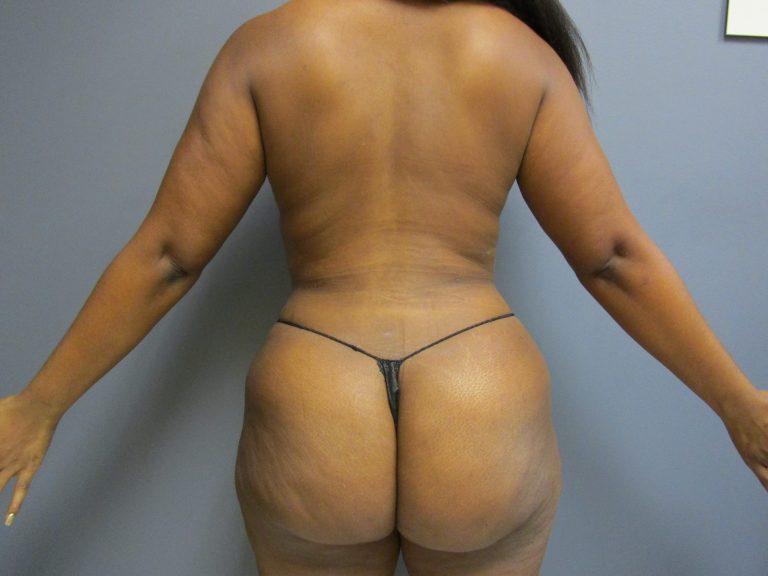
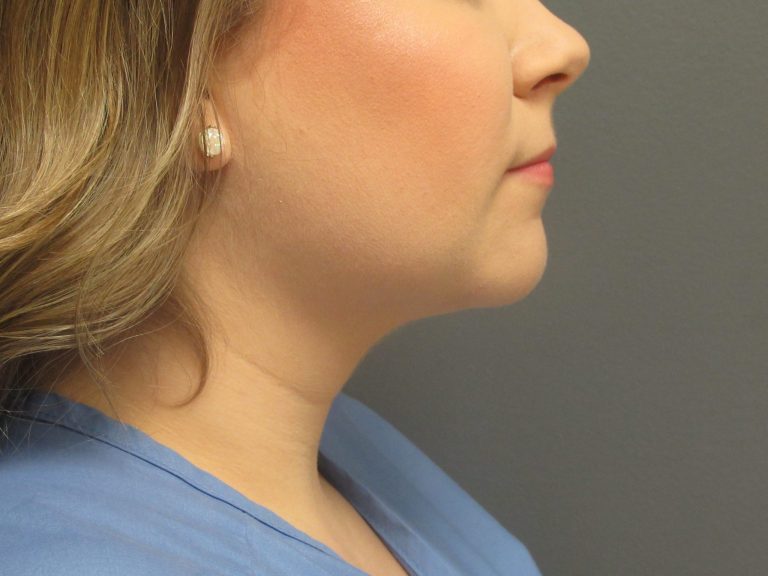
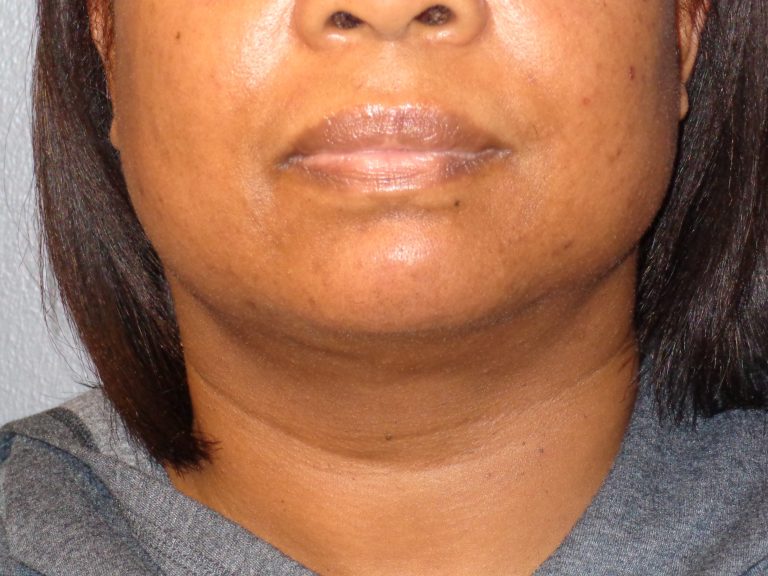
When people ask whether liposuction can give them a flatter abdomen, slimmer waist, or more defined thighs, they are usually thinking about fat. Fair enough, because liposuction is a fat-removal procedure. But in the consultation room, one of the first things an experienced surgeon evaluates is not only where the fat sits, but how the skin over it behaves.
That distinction matters more than most patients expect.
Skin elasticity often determines whether a person will look smoothly contoured after liposuction or whether loose, crepey, or uneven skin may become more visible once the underlying fat is removed. In other words, two people can have the same amount of stubborn fat in the same area and have very different outcomes. The difference is often the quality of their skin.
This is especially relevant for anyone researching Liposuction Farmington Hills options, because the best consultations do not reduce the conversation to “How many pounds will come off?” or “How many areas can be treated?” A thoughtful assessment includes skin tone, tissue thickness, age-related changes, prior pregnancies, weight fluctuations, scarring, and the way a patient heals. Those details shape the plan as much as the fat itself.
What skin elasticity actually means
Skin elasticity is the skin’s ability to contract and adapt after it has been stretched. Younger skin usually springs back more readily because collagen and elastin fibers are stronger and more organized. Over time, those fibers weaken. Pregnancy, large weight loss, sun exposure, smoking, genetics, and simple aging all influence how well skin retracts.
In practical terms, if a surgeon removes fat from an area with good elasticity, the skin has a better chance of shrinking down to fit the new contour. If the same amount of fat is removed from an area with poor elasticity, the skin may hang, wrinkle, or bunch in a way the patient did not anticipate.
This is where expectations can drift away from reality. Many people assume that removing fat automatically tightens the area. It can make an area look tighter if the skin still has enough recoil. That is not the same thing as true skin tightening. Liposuction does not repair stretched abdominal skin after multiple pregnancies, and it does not reliably erase laxity caused by significant weight loss.
A simple example makes the point. Think about an overfilled sweater drawer. If you remove a few bulky sweaters, the drawer closes more easily and looks neater. But if the drawer itself is warped, removing the contents does not fix the structure. Skin can behave similarly. Fat volume is one issue. Skin support is another.
Why this matters so much after liposuction
Patients are often surprised to learn that liposuction is not primarily a weight-loss procedure. It is a contouring procedure. Surgeons use it to improve shape, not to produce dramatic changes on the scale. That difference is important because contour quality is exactly where skin elasticity comes into play.
A patient may lose only a few pounds through liposuction, yet look noticeably slimmer because fullness in the flanks or lower abdomen has been reduced. Another patient may have a technically successful procedure, with fat removed exactly as planned, but still feel disappointed because the skin does not lie smoothly afterward. Both outcomes can happen even when the surgery itself is performed correctly.
The better the skin quality, the more forgiving the result tends to be. Areas with firm, resilient skin usually redrape more cleanly. Areas with thin, sun-damaged, stretch-marked, or lax skin require more caution and sometimes a different recommendation altogether.
This is one of the most common points of confusion in body contouring. Patients often come in focused on “the bulge,” while the surgeon is looking at “the envelope.” The bulge is the fat. The envelope is the skin that must shrink over the new shape. If the envelope is weak, the final result can be limited no matter how carefully the fat is removed.
The areas where elasticity becomes the deciding factor
Not every body area behaves the same way. Some regions are more forgiving than others.
The upper abdomen, especially in patients who have not had major stretching from pregnancy or large weight changes, can sometimes respond well if the skin still has decent tone. The lower abdomen is often less forgiving. That is where many patients carry stretch marks, C-section scars, and laxity from pregnancy. Removing fat there without addressing loose skin can sometimes make the looseness more obvious.
The neck and under-chin area can produce elegant results in the right patient because the skin is relatively thin and can contract nicely when it still has good elasticity. But an older patient with significant neck laxity may need more than liposuction to see a sharp jawline.
The inner thighs can be tricky. Even in otherwise fit patients, the skin there may be prone to laxity. Aggressive fat removal in that region can create a deflated appearance if the skin cannot recoil.
The outer thighs and flanks often respond better, particularly when the patient has localized fullness and reasonably firm skin. These are the classic “stubborn fat” zones that liposuction handles well when the tissue quality supports it.
Upper arms are another area where judgment matters. A patient with mild fullness Liposuction Farmington HIlls michellehardawaymd.com and good tone may Liposuction Farmington HIlls do nicely with liposuction alone. A patient with significant laxity may be happier with an arm lift or a combined strategy, even if that means accepting a scar in exchange for a cleaner contour.
How surgeons assess skin quality in real life
This part is more hands-on than many people realize. During consultation, an experienced surgeon is not just looking. They are palpating the tissues, pinching the skin, checking thickness, looking at stretch marks, evaluating where the fat sits, and observing how the skin recoils when moved.
There is no single perfect test, but several clues matter. Skin that feels thicker and snaps back tends to behave better than thin, papery skin that stays wrinkled when pinched. Stretch marks often signal that the skin has already been pushed beyond its optimal elasticity. That does not automatically rule out liposuction, but it changes the discussion. Prior scars can tether tissue in ways that affect contour. The pattern of fat also matters, because superficial fat removal in compromised skin can create irregularities.
Good consultations are often refreshingly blunt at this stage. A careful surgeon may say, “You are a candidate for liposuction, but not for perfection,” or “I can make this area smaller, but I cannot make loose skin disappear.” Those are not evasive statements. They are signs of honest planning.
Age matters, but not in the way many people think
Age influences skin elasticity, but age alone does not determine candidacy. Some people in their fifties or sixties have remarkably good skin tone, especially if their weight has been stable, they have avoided smoking, and their genetics are favorable. Others in their thirties have clear laxity because of sun damage, pregnancies, or major weight loss.
Patients sometimes ask for a simple age cutoff. There really is not one. The more useful question is how the tissue looks and behaves today.
A healthy 58-year-old with moderate flank fullness and firm skin may be a better liposuction candidate than a 34-year-old who has had three pregnancies, major stretching of the lower abdomen, and significant skin redundancy. That is why before-and-after galleries can be misleading if patients focus only on age or body size. Tissue quality tells a deeper story.
Weight loss and the “deflation” issue
One of the most important conversations happens with patients who have lost a substantial amount of weight. These patients often feel that liposuction is the final step. Sometimes it is. Sometimes it is not.
After major weight loss, especially 50 pounds or more, the skin may have stretched beyond the point where it can tighten effectively on its own. There may still be pockets of residual fat, but the dominant problem can be loose skin rather than excess volume. In that setting, liposuction alone can actually worsen the appearance by removing the last bit of internal support beneath already lax skin.
This is where judgment matters. A surgeon may recommend skin excision procedures such as abdominoplasty, arm lift, or thigh lift instead of liposuction alone. Patients do not always love hearing that, particularly when they hoped for a smaller procedure with tiny incisions. But the goal is not to do the smallest procedure. The goal is to choose the procedure that gives the most satisfying contour.
I have seen this distinction make all the difference in patient satisfaction. A person who is warned in advance that they may need skin removal can make a measured decision. A person who is promised that liposuction will “tighten everything” is set up for disappointment.
Pregnancy changes the equation
Pregnancy affects both fat distribution and skin elasticity, especially in the abdomen. After one pregnancy, many patients still retain enough skin recoil for liposuction to improve localized fullness, particularly in the flanks. After multiple pregnancies, abdominal wall laxity, loose skin, stretch marks, and muscle separation often become part of the picture.
That is why postpartum body contouring cannot be approached as a one-size-fits-all service. Some women are strong candidates for liposuction alone. Others benefit more from a tummy tuck, sometimes with liposuction as an adjunct. The distinction depends on where the fullness comes from and how the skin behaves.
A common scenario in consultations is the patient who says, “I am back to my pre-pregnancy weight, but my stomach still does not look the same.” Weight may no longer be the issue. The tissues themselves may have changed. If the lower abdominal skin is loose and the muscles are separated, removing fat will not correct the core problem.
The role of skin tightening technologies
Many clinics market energy-based treatments, often paired with liposuction, to improve skin contraction. These technologies can be helpful in selected cases, but they need to be discussed with nuance.
Mild to moderate skin laxity may improve with certain radiofrequency-assisted or laser-assisted approaches, depending on the surgeon’s technique and the patient’s tissue. These tools may encourage some contraction and can be useful in borderline cases. What they do not do is replace an excisional procedure when significant skin excess is present.
This is where marketing can get ahead of biology. Terms like “tightening” sound decisive, but the actual degree of improvement varies. If a patient has a small amount of looseness along the jawline, modest contraction may be enough to make the result look polished. If the patient has abdominal skin that folds over the waistband, the improvement from energy alone is unlikely to match the improvement from a tummy tuck.
That does not make the technology ineffective. It simply means the right indication matters. The best outcomes tend to occur when these tools are used as refinements, not as magical substitutes for skin removal.
Smoking, sun exposure, and everyday habits
Lifestyle has a direct impact on skin behavior and healing. Smoking is particularly hard on circulation and collagen quality. Smokers often have more fragile skin, slower healing, and a higher risk of complications. Even patients who look fit externally may have tissue that behaves poorly because of long-term nicotine exposure.
Sun damage also takes a toll. Chronically sun-exposed skin can become thinner, less elastic, and more prone to wrinkling. Hydration and nutrition matter too, though they cannot reverse established laxity.
Weight stability is another factor that deserves more attention than it gets. Patients who are near their goal weight and can maintain it tend to hold their results better. Repeated cycles of gain and loss stretch the skin over time. Even an excellent surgical result is harder to preserve if the body is repeatedly asked to expand and contract.
What a strong candidate usually looks like
The best liposuction candidates are not always the thinnest patients, and they are not necessarily the youngest. They are usually people with localized fat deposits, realistic expectations, and skin that still has enough resilience to redrape smoothly.
A practical way to think about candidacy is this:
- The fat should be the main issue, not loose skin.
- Weight should be relatively stable, ideally close to a maintainable baseline.
- Overall health should support safe surgery and normal healing.
- Expectations should focus on contour improvement, not perfection.
- The patient should be open to hearing when another procedure would produce a better result.
Those five points sound simple, but they capture the real decision-making process surprisingly well.
When liposuction alone may not be enough
This is where experience shows. There are many patients who are technically candidates for liposuction, in the sense that fat can be removed, but who are not good candidates for liposuction alone if the goal is a smooth, tightened result.
A patient with heavy lower abdominal laxity may look better with a tummy tuck. A patient with drooping upper arm skin may benefit more from brachioplasty. A patient with sagging under the chin may need a neck lift instead of, or in addition to, liposuction. These recommendations are not about upselling. They are about matching the procedure to the anatomy.
Some of the happiest patients are the ones who accept a slightly bigger procedure because it solves the right problem the first time. Some of the least satisfied are those who insist on the smallest option despite a surgeon’s warning that loose skin will remain. Surgery cannot overcome a mismatch between anatomy and plan.
Recovery and how skin settles
Even with excellent skin elasticity, the final contour does not appear overnight. Swelling can last for weeks, and subtle changes continue for months as the tissues soften and settle. Compression garments are often recommended because they help support the healing area, control swelling, and encourage smoother contouring.
Patients with better elasticity often see the skin adapt more gracefully during recovery. Patients with borderline tone may go through an anxious period where the area looks uneven or loose before the tissues contract as much as they are going to. Patience matters, but so does realism. Swelling can improve. Poor elasticity does not transform into excellent elasticity during recovery.
One useful point to remember is that overaggressive fat removal is not a shortcut to a better result. In compromised skin, it can backfire by creating hollows, waviness, or a deflated look. Conservative contouring often ages better and looks more natural.
Choosing a surgeon in Farmington Hills with the right eye for tissue quality
If you are researching Liposuction Farmington Hills providers, ask questions that go beyond price and number of treatment areas. The critical issue is whether the surgeon can assess the relationship between fat and skin, then explain what that means for your case.
A strong consultation should include a frank discussion about whether your skin is likely to retract well, whether additional tightening might help, and whether another procedure would actually produce a superior result. If the conversation stays focused only on suctioning fat, that is incomplete.
It is also wise to ask how the surgeon approaches patients with stretch marks, previous pregnancies, prior liposuction, or weight-loss history. Those are common situations where skin elasticity changes the plan. An experienced surgeon will not treat them as minor footnotes. They are central to the outcome.
Here are a few useful questions to bring into consultation:
- How would you rate the elasticity of my skin in the area I want treated?
- Do you think liposuction alone will give a smooth result, or will loose skin remain visible?
- Would a skin-tightening approach or excisional procedure improve the outcome in my case?
- How conservative or aggressive do you recommend being in this area, and why?
- What results are realistic for my anatomy based on your examination?
These questions tend to lead to better discussions than “How much fat can you take out?” because they get to the heart of what patients are really hoping to see in the mirror.
The emotional side of expectations
Body contouring is personal. For many patients, especially after pregnancy or weight loss, the issue is not vanity in the shallow sense. It is the desire to feel proportionate again, to have clothing fit better, or to stop seeing one stubborn area that does not reflect the effort they have put into their health.
That emotional investment is exactly why an honest conversation about skin elasticity is so important. When surgeons explain the trade-offs clearly, patients can make decisions with open eyes. Sometimes that means proceeding with liposuction and feeling confident about a likely good result. Sometimes it means postponing surgery until weight is stable. Sometimes it means choosing a different procedure entirely.
The best outcomes come from that alignment between anatomy, technique, and expectation. Fat removal is only one part of body contouring. Skin is the frame that reveals the final shape. Ignore it, and even a carefully performed procedure can fall short of what the patient imagined. Respect it, and the plan becomes smarter, safer, and more likely to deliver a result that actually looks as good as it sounds on paper.
For anyone considering Liposuction Farmington Hills treatment, this is the quiet but essential question to ask: not just where is the fat, but how will the skin respond when the fat is gone? That answer often predicts satisfaction better than any estimate of volume removed.
Aesthetic Plastic Surgery & Laser Center, Michelle Hardaway M.D.
27920 Orchard Lake Rd
Farmington Hills, MI 48334
(248) 221-1957
FAQ About Liposuction Farmington Hills
What disqualifies you from getting liposuction in Farmington Hills?
A surgeon may recommend postponing or avoiding liposuction if a health condition, medication, or nicotine use raises the risk of surgery or poor healing. A consultation is needed to assess your medical history and whether the procedure fits your goals.
Can liposuction remove 20 pounds?
Liposuction is a body contouring procedure for localized fat. It is not a weight loss treatment, and a specific number of pounds is not a safe or useful target. The surgeon determines how much can be removed safely for each patient.
What are the risks of liposuction?
Risks include infection, changes in sensation, uneven contours, and complications from anesthesia or blood clots. A plastic surgeon can explain which risks apply to you and what to expect during recovery.