Liposuction Farmington Hills: What Patients Wish They Knew Earlier
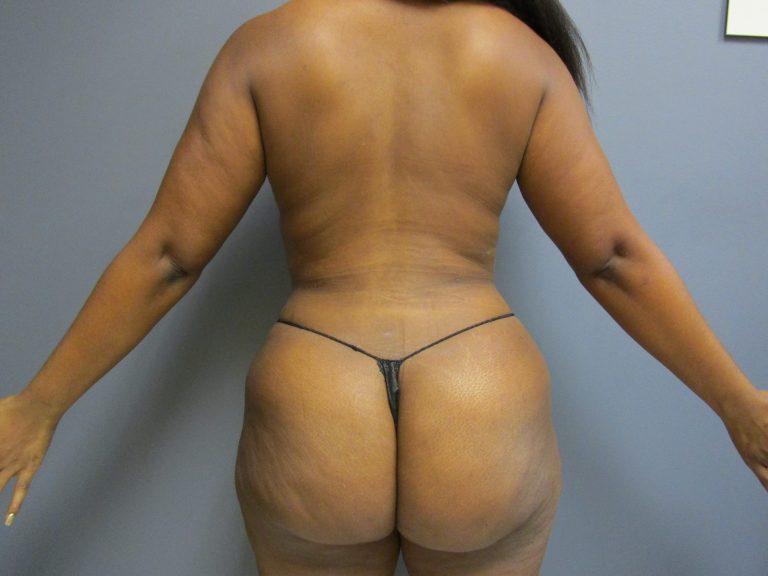
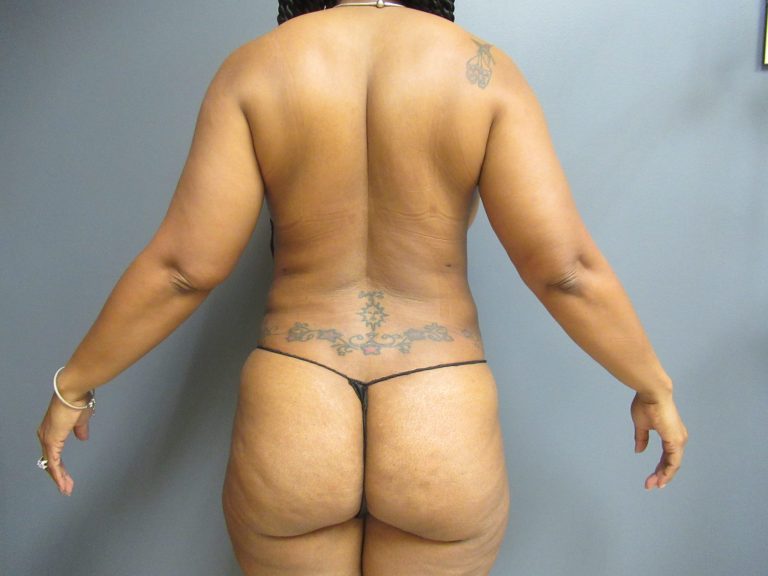
People rarely walk into a consultation for liposuction focused only on fat removal. What they usually want is relief. Relief from a lower abdomen that never changed after pregnancy. Relief from the heavy fullness under the chin that shows up in every photo. Relief from flanks that seem out of proportion no matter how disciplined their diet has been.
That matters, because liposuction is often misunderstood as a broad fix for body image frustration when it is actually a very specific surgical tool. Patients considering Liposuction Farmington Hills often arrive with a mix of good instincts and inaccurate assumptions. By the time they are a few weeks into recovery, many say some version of the same thing: “I wish I had known this earlier.”
What follows is the kind of practical guidance people tend to appreciate before surgery, not after. It is less about marketing language and more about the real trade-offs, timelines, limitations, and decisions that shape whether liposuction feels worth it.
The biggest surprise: liposuction is contouring, not weight loss
This is the first lesson patients often wish someone had made clearer at the very start. Liposuction removes localized fat deposits to improve body shape. It is not designed to treat obesity, and it is not a substitute for long-term weight management.
That sounds simple enough, but expectations can drift. Someone might think, “If I lose ten or fifteen pounds with surgery, I’ll finally look like myself again.” In reality, the scale may barely move much at all. What often changes more noticeably is silhouette, clothing fit, and proportion. A person may still weigh close to the same amount after healing, yet look considerably different in fitted pants or a dress.
This is one reason experienced surgeons tend to focus less on total pounds removed and more on where fat is being removed. A few liters from the abdomen and flanks can change the waistline dramatically. A modest amount under the chin can sharpen the profile far more than patients expect. The number itself is usually less important than the contour created.
Patients who understand this before surgery are usually happier afterward. Patients who secretly hope liposuction will “kick-start” major weight loss often feel confused, even when the aesthetic result is objectively strong.
The best candidates are not always the thinnest, but they are usually the most stable
Many people assume they need to reach an ideal weight before even considering a consultation. That is not always true. What matters more is whether weight has been relatively stable, whether the person has realistic goals, and whether the area being treated truly represents stubborn fat rather than general body-wide weight gain.
A patient at a stable weight with persistent fullness in the outer thighs may be a better candidate than someone actively gaining and losing twenty pounds at a time. Body stability gives the surgeon a more reliable canvas. It also makes results easier to maintain.
The phrase “close to your goal weight” comes up often for a reason. If a patient plans to lose a substantial amount of weight after surgery, the body can change in ways that alter the final contour. Skin laxity may become more visible. Proportions may shift. The original surgical plan may no longer match the body’s later shape.
The same logic applies to pregnancy. A woman considering abdominal liposuction who also expects to become pregnant in the near future may still choose to wait. Pregnancy does not erase every result, but it can significantly change the abdomen again. Timing matters more than some patients realize.
Skin quality matters almost as much as fat volume
This is another common surprise. Patients often focus on how much fat bothers them, while surgeons are also evaluating the skin that will need to contract afterward. Liposuction can remove volume, but it does not magically tighten poor-quality skin.
If the skin has good elasticity, especially in younger patients or in areas with mild to moderate fullness, it may retract nicely after fat removal. If the skin is already loose, crepey, or stretched, the result can be less satisfying. The area may look flatter but not necessarily tighter. In some cases, liposuction alone can make skin laxity more obvious because the underlying fullness that once “filled out” the skin is gone.
The abdomen illustrates this well. A patient with localized lower belly fat and firm skin may do well with liposuction alone. Another patient with separated abdominal muscles, stretch-related laxity, and hanging lower abdominal skin may be much better served by an abdominoplasty, either alone or in combination with liposuction. Those are very different surgical problems, and they need different solutions.
The same issue comes up around the neck and jawline. Small-volume liposuction under the chin can be transformative if the skin has enough recoil. If the concern is more about skin laxity, platysmal banding, or a low hyoid anatomy, the result may be only partial. Patients often wish someone had explained that not every “double chin” is the same.
Recovery is not unbearable, but it is more involved than many expect
A lot of patients arrive fearing excruciating pain and are relieved to learn that discomfort is often manageable. What catches them off guard instead is the duration of swelling, drainage, firmness, numbness, and unevenness during healing.
The first few days can feel sore, tight, and messy. Compression garments are helpful but not glamorous. Movement is encouraged, though you may not feel especially graceful while doing it. Bruising varies widely. Some patients look fairly presentable within ten to fourteen days. Others need longer before they feel comfortable being seen in anything fitted.
Then comes the slower phase that many people do not anticipate. Swelling can linger for weeks, and in some areas for months. Firmness beneath the skin is common early on. Temporary numbness is common too. The body needs time to settle into its new contour, and that process rarely follows a neat calendar.
Patients who expect to look “done” in two weeks are often disappointed. Patients who understand that recovery is layered tend to be much calmer when the body passes through normal healing stages.
The garment matters more than most patients think
Compression garments are not simply a ceremonial part of post-op care. They help control swelling, support tissues, and improve comfort during the recovery period. Yet many patients are underprepared for how often the garment must be worn, how snug it feels, or how much more manageable recovery can be when the right fit is selected.
A garment that is too loose may not provide adequate support. One that is too tight can be miserable and may create pressure issues. This is one of those practical details that people tend to appreciate only after surgery. It is also why following your surgeon’s exact instructions matters. Advice from a friend who had liposuction elsewhere may not match your procedure, your treated areas, or your surgeon’s protocol.
The patients who do best usually plan ahead. They arrange loose clothing, extra garments if recommended, and a realistic expectation that the first week will revolve more around healing than productivity.
It can look worse before it looks better
This is perhaps the most emotionally important point. Early healing does not reliably predict the final result. Swelling can distort shape. One side may appear fuller. The treated area may feel hard or lumpy. The skin may seem uneven in a way that is completely temporary.
Even very thoughtful patients can spiral during this phase. They compare one side to the other. They inspect daily. They worry that something has gone wrong when they are actually experiencing a normal stage of tissue recovery.
This is where surgeon communication matters. Good follow-up helps patients distinguish between normal healing and true problems. It also helps to remember that fat removal is only one part of the process. After surgery, the body has to reabsorb fluid, calm inflammation, soften fibrosis, and let the skin contract. None of that happens overnight.
Liposuction can improve proportion, but it cannot build structure that is not there
A patient with full flanks may achieve a more defined waist after liposuction. A patient with lower abdominal fullness may look flatter in clothing. A patient with heavy inner thighs may feel less friction and better symmetry. Those are meaningful changes.
Still, liposuction does not create muscle definition on its own. It does not lift the buttocks. It does not correct muscle separation. It does not change bone structure. It cannot turn every body into the same silhouette, and trying to force that expectation is where disappointment often begins.
This matters in consultations because social media has distorted expectations. People often bring photos that reflect not only surgery, but lighting, posing, editing, selective timing, and sometimes additional procedures that are not obvious at a glance. A surgeon can improve contours, but a good surgeon will also tell you when a reference photo is unrealistic for your anatomy.
Patients usually appreciate that honesty later, even if it feels limiting in the moment.
Choosing the surgeon is not just about before-and-after photos
Photos matter. They help show aesthetic taste, technical consistency, and whether a surgeon regularly treats the areas you care about. But photos are only part of the decision. A polished gallery does not tell you how carefully the surgeon screens candidates, how complications are handled, how the office supports recovery, or whether you felt rushed when asking questions.
When people pursue Liposuction Farmington Hills, they are often comparing practices based on price and visible outcomes. Those are important, but they should not be the entire framework. Surgery is not a retail purchase. It is a medical procedure with aesthetic goals.
What patients often wish they had done earlier is evaluate the consultation experience more critically. Did the surgeon explain why you are or are not a strong candidate? Did they discuss skin quality, not just fat removal? Did they mention the possibility of needing a different procedure for a better result? Did they outline recovery realistically, including downtime and contour maturation?
If every answer sounds easy, fast, and perfect, that is not always reassuring. Thoughtful surgery discussions are usually nuanced.
The lowest price is not always the lowest cost
Liposuction pricing varies based on the size and number of areas treated, anesthesia, facility fees, compression garments, and follow-up care. Because of that, quotes can differ substantially. Patients understandably compare them.
What many wish they knew earlier is that a lower upfront quote may not reflect the full experience. Sometimes it excludes components that matter. Sometimes it reflects a setting with less support. Sometimes the plan itself is too limited to realistically address the concern. And sometimes, unfortunately, it reflects inexperience.
Revision surgery tends to cost more emotionally and financially than getting the first operation right. That does not mean the most expensive option is best, but it does mean value should be measured in more than a single number.
A careful consultation often reveals whether the recommendation actually fits the anatomy. If one practice is promising a dramatic transformation with minimal discussion of limitations and another is being more conservative and detailed, the second may be offering the more trustworthy plan.
The areas people ask about most often
Certain treatment areas come up repeatedly because they are both common and frustrating. The best-known are the abdomen and flanks, but they are far from the only zones where liposuction can help. Candidacy and results vary by anatomy, skin elasticity, and surgical approach.
Here are some of the areas patients most often ask about:
- Abdomen and flanks, often treated together to create a smoother waistline and better side profile.
- Inner and outer thighs, usually for proportion, reduced rubbing, and cleaner clothing fit.
- Submental area, under the chin, where even small-volume fat removal can sharpen the jawline.
- Upper arms, especially when fullness persists despite exercise, though skin tone is crucial here.
- Back and bra roll areas, where contour changes can be noticeable in fitted tops and dresses.
The common thread is that these are rarely random choices. Most patients have spent years dressing around these areas, photographing around them, or feeling self-conscious about them in ways that are hard to explain to other people.
Lifestyle still matters after surgery
This is not the most exciting part of the conversation, but it is one of the most important. Liposuction removes fat cells from treated areas, yet it does not freeze the body in time. Weight gain after surgery can still affect results. The body may not regain fat in exactly the same pattern, but contours can soften and proportions can change.
Patients do best when they see liposuction as an assist, not a replacement, for healthy habits. That does not mean perfection. It means having a realistic plan for food, movement, sleep, and weight stability once healing is complete.
I have seen the happiest long-term outcomes in patients who used surgery to address a true contour problem after already building relatively steady habits. They were not asking surgery to fix everything. They were using it to solve one persistent issue that lifestyle alone had not changed.
Not every asymmetry is fixable, and not every irregularity is a complication
Human bodies are asymmetrical before surgery. One hip can sit higher. One side of the lower abdomen can carry more fullness. One thigh can be slightly larger. One waist indentation can be deeper. After surgery, those pre-existing differences may improve, stay the same, or become more noticeable simply because the surrounding bulk has changed.
This is one of the harder truths for perfectionists. Liposuction can significantly improve contour, but it does not make the body machine-made. Mild contour irregularities, temporary firmness, and subtle side-to-side differences can occur even in well-performed procedures and uncomplicated recoveries.
That said, patients should not be brushed off if something feels wrong. Persistent severe asymmetry, unusual pain, concerning swelling, skin changes, fever, or signs of infection deserve prompt evaluation. The point is not to normalize every concern. It is to recognize the difference between a normal healing phase and a true problem, which is why follow-up care matters so much.
Preparation changes the recovery experience
Patients tend to focus heavily on surgery day, but the smoother recoveries usually start with better preparation. Setting up help for the first day or two, planning time away from strenuous work, arranging transportation, and filling prescriptions in advance all reduce stress. The procedure itself may be the shortest part of the experience. Recovery logistics shape how manageable the first week feels.
A simple pre-op plan often helps more than people expect:
- Clear your schedule more generously than you think you need, especially if your job is physical.
- Set up a recovery area with easy access to water, medications, loose clothing, and chargers.
- Confirm who will drive you and stay with you if your surgical team requires it.
- Ask specifically when you can return to exercise, desk work, lifting, and social events.
- Buy any approved post-op supplies before surgery day so you are not scrambling afterward.
These are small choices, but they reduce the avoidable friction that makes recovery feel harder than it needs to.
The emotional side is real, even when the procedure is elective
Cosmetic surgery is often discussed in technical terms, but there is an emotional rhythm to it that patients wish they had anticipated. Before surgery, there can be excitement mixed with anxiety. Right after, there may be relief that Liposuction Farmington HIlls it is over. Then comes a stretch, often during swelling and bruising, when impatience or doubt creeps in.
That emotional swing is normal. It happens even to patients who were well informed. The body looks unfamiliar for a while. Comfort is limited. You may wonder whether you made the right choice before the final result is visible. Some people feel unexpectedly vulnerable during this period, especially if they kept the procedure private and do not have many people to talk to.
This is another reason not to judge the outcome too early. The final assessment belongs later, after tissues soften, swelling fades, and the new contour becomes easier to read.
What experienced patients often say they would do differently
Once people are on the other side of recovery, a pattern tends to emerge. They rarely say, “I wish I had found a way to make this cheaper.” More often they say they wish they had asked sharper questions, allowed more time to heal, or understood the pace of recovery better.
They wish they had known that liposuction helps shape, not solve. They wish they had understood that the final look unfolds slowly. They wish they had appreciated how much skin quality influences the result. They wish they had chosen their surgery date around real recovery needs instead of trying to squeeze it between obligations.
They also often say they wish they had stopped comparing themselves to edited online results. Real bodies heal in real time. A natural-looking improvement that fits the patient’s frame tends to age better, photograph better, and feel better than an aggressive change that looked good only in theory.
What to ask at a consultation in Farmington Hills
For anyone exploring Liposuction Farmington Hills, a consultation should leave you more informed, not merely more persuaded. You should come away with a clearer understanding of whether you are a good candidate, what result is realistic for your anatomy, and whether another procedure might address your concerns more effectively.
Ask how the surgeon decides between liposuction alone and a more extensive body-contouring operation. Ask what role your skin elasticity plays in the recommendation. Ask about expected downtime in terms that fit your actual life, not generic timelines. If you are treating multiple areas, ask which matter most and whether staging procedures ever makes sense. If cost is a factor, ask what is included and what is not.
Most of all, pay attention to whether the answers feel specific to you. Good surgical planning is personal. It should reflect your body, your goals, your health history, and your recovery capacity.
When patients say they wish they had known certain things earlier, they are usually talking about clarity. Not more hype, not more promises, just a clearer picture of what liposuction can do, what it cannot do, and what the journey actually feels like. That clarity tends to lead to better decisions, smoother recoveries, and results that feel satisfying for the right reasons.
Aesthetic Plastic Surgery & Laser Center, Michelle Hardaway M.D.
27920 Orchard Lake Rd
Farmington Hills, MI 48334
(248) 221-1957
FAQ About Liposuction Farmington Hills
What disqualifies you from getting liposuction in Farmington Hills?
A surgeon may recommend postponing or avoiding liposuction if a health condition, medication, or nicotine use raises the risk of surgery or poor healing. A consultation is needed to assess your medical history and whether the procedure fits your goals.
Can liposuction remove 20 pounds?
Liposuction is a body contouring procedure for localized fat. It is not a weight loss treatment, and a specific number of pounds is not a safe or useful target. The surgeon determines how much can be removed safely for each patient.
What are the risks of liposuction?
Risks include infection, changes in sensation, uneven contours, and complications from anesthesia or blood clots. A plastic surgeon can explain which risks apply to you and what to expect during recovery.