Liposuction Michigan for Athletic Body Refinement
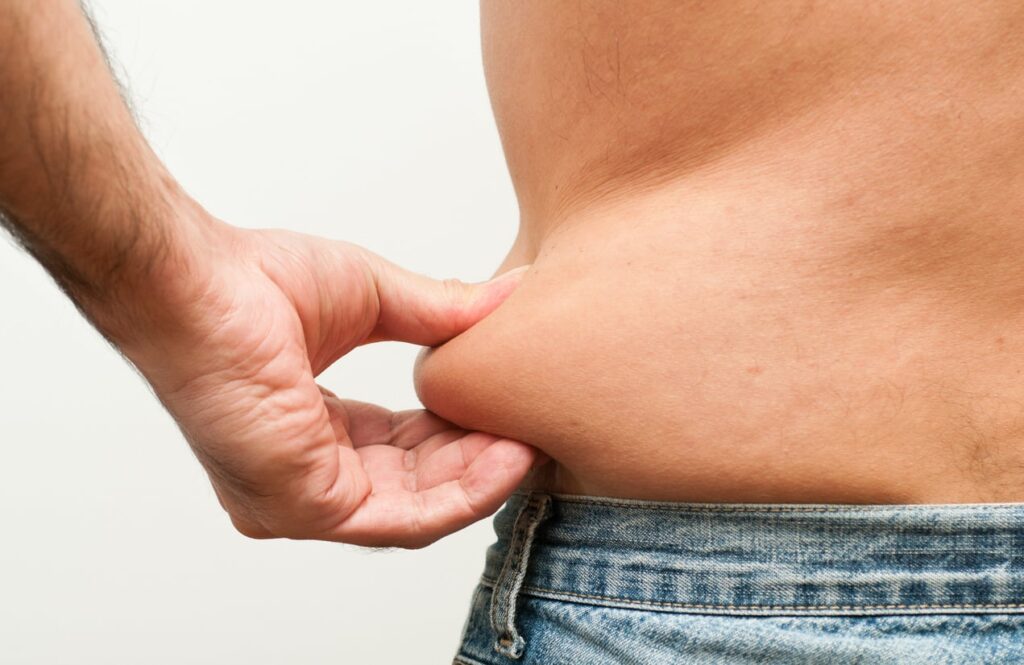
Athletic bodies are often misunderstood from the outside. People assume that a person who trains hard, eats carefully, and keeps a disciplined routine should be able to shape every area of the body through exercise alone. In practice, it rarely works that way. Even very lean men and women can carry small, stubborn pockets of fat that sit on the lower abdomen, flanks, upper thighs, chest, or under the chin. Those deposits may be minor in absolute volume, yet they can blur muscle definition enough to frustrate someone who has spent years building it.
That is where liposuction enters the conversation, not as a substitute for fitness, but as a refinement tool. For the right patient, it can sharpen proportions, improve transitions between muscle groups, and bring the physique closer to what training has already developed. When people search for Liposuction Michigan, many are not looking for dramatic weight reduction. They are looking for precision.
In an athletic population, precision matters more than volume. Removing too much can create hollows and unevenness. Removing too little may leave the patient wondering whether Liposuction Michigan the procedure was worth it. The best outcomes usually come from measured surgical judgment, realistic expectations, and a clear understanding of how an active body heals.
Why athletic patients seek body refinement
Athletic patients usually present differently than the average cosmetic surgery patient. Their weight tends to be relatively stable. Their body fat percentage may already be low. They often know their anatomy well because they see changes in their physique from training cycles, diet phases, and competition prep. They can tell when a specific area is out of proportion, even if nobody else notices it immediately.
A common example is the male patient with visible abdominal development but persistent fat at the lower waist. He may have oblique lines up top and good rectus definition, yet the flanks soften the silhouette in fitted clothing. Another is the female patient who trains legs consistently, has strong glutes and hamstrings, but still feels that the outer thighs or lower abdomen keep the frame from looking as streamlined as it should. These are not failures of discipline. They are usually normal patterns of fat distribution, shaped by genetics, hormones, age, and skin characteristics.
In colder climates, including much of Michigan, there is another practical layer. Many people spend long stretches of the year in training clothes, compression wear, or winter clothing that hides physique changes. They may stay committed to exercise year-round, but they still want to feel that all of that effort shows when summer comes, when they compete, or when they simply want confidence in a swimsuit or fitted shirt. The motivation is often quiet and personal rather than dramatic.
Liposuction is not weight loss, and athletic patients need to hear that clearly
One of the most useful conversations in consultation is also one of the simplest: liposuction is a contouring procedure, not a method for getting fit. Athletic patients usually understand this faster than others, but they can still overestimate what the procedure can do.
If someone has not yet built the muscular base they want, surgery will not create it. If body fat fluctuates significantly from month to month, the result may also fluctuate. If the skin is loose, thin, or marked by prior major weight changes, fat removal alone may not produce the crisp look they have in mind. The operation works best when there is already a strong foundation and the surgeon is refining over it.
That distinction matters because athletic refinement depends on subtleties. A few hundred cubic centimeters removed from the right place can make the waistline read differently. A carefully sculpted transition around the chest or deltoid area can change how upper body definition appears. These are nuanced goals, and they require restraint as much as technical skill.
Areas that commonly concern fit men and women
The patterns vary by sex, frame, and sport. Runners, lifters, cyclists, dancers, and recreational athletes often notice different contour concerns because they build muscle differently and carry fat differently. Still, some zones come up repeatedly in body refinement consultations.
The lower abdomen is probably the most common. It tends to resist change even in people who maintain a clean diet and train consistently. The flanks come next, especially in men, because they interrupt a tapered torso. Under the chin is another frequent concern, particularly for patients who want their facial structure to match the leaner look of the rest of their body. For women, the outer thighs, inner thighs, and the area just above the hips are regular complaints. For men, the chest can also be a major issue, especially when there is a mix of fat and glandular fullness.
What matters is not simply whether fat is present. It is whether that fat disrupts the overall balance of the body. In athletic contouring, balance is the real target. A patient may have only a modest amount of removable fat, but if it sits in the wrong place, it can dull the result of years of training.
What makes athletic liposuction different
Operating on an athletic patient often calls for a more conservative eye. The body has less margin for error because there is less excess tissue to hide irregularities. Muscle borders may be visible already. Skin can drape beautifully when handled well, but it can also reveal overaggressive treatment.
Surgeons who treat this group regularly Liposuction Michigan tend to focus on contour transitions rather than simple debulking. The goal is not to flatten every area. It is to preserve natural anatomy while reducing the pockets that interrupt it. In the abdomen, for example, treatment may emphasize waist narrowing and lower abdominal cleanup rather than broad, heavy suction across the entire torso. In the thighs, preserving feminine or athletic shape while reducing bulk is often more important than achieving the smallest possible circumference.
Patients sometimes arrive with reference photos from fitness models or competitors. These can be useful in showing preferences, but they can also mislead. Lighting, hydration, tanning, body fat levels, and even posing technique can create a highly edited standard. A good consultation brings the discussion back to anatomy. What can your skin do? Where is the fat actually sitting? What will look right when you are not flexing, not posing, and simply walking around in everyday life?
Those questions produce better decisions than idealized images ever do.
Technique matters, but judgment matters more
There is understandable interest in specific liposuction technologies. Patients ask about tumescent liposuction, ultrasound-assisted methods, power-assisted techniques, laser-assisted treatment, and so-called high-definition approaches. Each has a place, and preferences vary from surgeon to surgeon. What matters most for the athletic patient is less about branding and more about execution.
The surgeon needs to understand tissue planes, symmetry, skin behavior, and where not to chase perfection. Small contour defects become obvious on a lean frame. Aggressive removal near areas of strong motion, such as the lower abdomen or inner thigh, can lead to tethering or uneven texture if done poorly. On the other hand, timid treatment can miss the entire point of the surgery.
That balance is why consultation quality tells you a great deal. A thoughtful surgeon does not promise a sculpted magazine torso after a brief exam. They explain what is feasible, where definition is likely to improve, and where anatomy sets limits. They also discuss whether a patient is actually a better candidate for another procedure, or for no procedure at all.
When people search for Liposuction Michigan, they often compare websites, pricing, and before-and-after galleries. Those are useful starting points, but the real difference usually emerges in how specifically a surgeon talks about your body and your goals. Precision surgery requires precision planning.
Candidacy goes beyond fitness level
Being in excellent shape does not automatically make someone an ideal candidate. A few practical factors matter just as much as how often a person trains.
Skin quality is one of the most important. Firm, elastic skin tends to contract better after fat removal. Age alone does not decide this. A younger patient with stretch damage or prior weight swings may have weaker skin than an older patient who has maintained a stable body composition for years. Scar history also matters. So does any prior body contouring.
Lifestyle stability matters more than many people expect. A patient preparing for a bodybuilding show, a marathon, or a major weight cut may not be operating from a stable baseline. Results are easier to assess and more likely to age well when the body is not in the middle of dramatic change.
There is also the issue of expectation. Athletes can be wonderfully disciplined patients, but they can also be tough critics of their own bodies. Someone who is used to tracking every gram, every workout, and every visual detail may need a frank discussion about normal asymmetry and normal healing. Surgery can improve shape. It cannot erase the fact that human bodies are not perfectly mirrored sculptures.
Recovery for active patients requires patience
Athletic patients often underestimate recovery because they are used to pushing through discomfort. That mindset can cause problems. Liposuction may be less invasive than many major surgeries, but it still creates swelling, bruising, fluid shifts, tenderness, and a temporary drop in performance. Even a straightforward case can feel surprisingly disruptive for a person who is accustomed to daily training.
Most patients are walking the same day, but walking is not training. Light movement helps circulation and reduces stiffness, yet a return to serious exercise usually takes longer than motivated patients want to hear. The exact timeline depends on the area treated, the volume removed, the technique used, and how the body responds, but there is almost always a staged return.
During the first phase, the body is focused on healing, managing inflammation, and adapting to the changed tissue planes. Compression garments are common, and they are not always comfortable. Sleep can be awkward, especially after torso treatment. Some patients feel fairly good by day four or five and then make the mistake of doing too much because the pain has eased before the tissues have actually recovered.
That is often when swelling rebounds.
A practical recovery pattern for fit patients usually looks something like this:
- Gentle walking begins early, often the same day or the next day.
- Lower-impact daily activity resumes before formal workouts do.
- Cardio returns gradually once swelling, soreness, and surgeon guidance allow it.
- Heavy lifting and core-intensive training generally come later.
- Final definition appears well after the patient feels functionally normal.
That last point deserves emphasis. Feeling recovered and looking fully refined are not the same. Athletic patients often judge their result too early because they are visually attuned to small changes. Swelling can mask contour for weeks and, in some areas, for months. A lean body may show improvement early, but subtle edema can still blur the crispness the patient is waiting for.
The Michigan factor: timing, season, and routine
There is nothing medically unique about having liposuction in Michigan, but there are practical considerations that local patients often appreciate once they think about the calendar. Climate affects clothing, activity patterns, and social timing. Many people prefer scheduling during cooler months because compression garments are easier to tolerate when it is not humid or hot. Loose layers also make the recovery period more private.
Winter timing can work especially well for patients who want to look their best for late spring and summer. That said, timing should follow life rhythm, not vanity deadlines alone. If someone has ski trips planned, a physically demanding job, or a spring athletic season, those details matter as much as the weather.
Michigan patients also vary widely in how active they are outdoors. A person whose exercise routine is mostly gym-based may find scheduling easier than someone whose training revolves around cycling, rowing, recreational leagues, or outdoor endurance events. Good planning means protecting the result rather than forcing the body to meet an arbitrary date.
What patients often overlook during consultation
Some of the most important questions in a consultation are not glamorous. People naturally want to know how much fat will be removed, how quickly they will see results, and whether a treated area can come back. Those are fair questions. Still, the details that predict satisfaction often sound more ordinary.
Ask how the surgeon approaches contour transitions, not just target spots. Ask how often they treat athletic patients. Ask what degree of swelling is typical in your specific treatment area. Ask what they consider a realistic endpoint for someone with your frame, skin, and training history. If you have body dysmorphia tendencies, perfectionistic habits, or a competition schedule, say so. Those details can change the guidance you should receive.
A helpful consultation usually covers the less exciting but highly relevant parts of planning:
- whether your weight has been stable long enough to make surgery worthwhile
- whether your skin is likely to retract well after limited-volume fat removal
- whether glandular tissue, loose skin, or muscle imbalance is contributing to the concern
- whether your exercise schedule will interfere with healing
- whether your goal is refinement, or whether you are quietly hoping for a larger transformation than liposuction can deliver
Those conversations save patients from disappointment. They also separate cosmetic marketing from sound medical advice.
Results can be excellent, but they must be maintained intelligently
Athletic patients sometimes ask whether fat can return after liposuction. The most honest answer is nuanced. Treated fat cells are removed permanently, but remaining fat cells can still enlarge if body weight increases. That means the shape usually improves and remains improved, yet major weight gain can still alter the result.
In real life, maintenance does not require obsession. It requires stability. Patients who continue training, keep nutrition reasonably consistent, and avoid large swings in body composition tend to hold their results well. The body does not need perfection. It needs predictability.
There is also an emotional aspect to maintenance. Some patients expect surgery to change how they see themselves overnight. Sometimes it does produce a major confidence lift. Other times, the shift is subtler. Clothes fit better. The waistline reads cleaner. Photos become less irritating. The person may stop mentally editing the same area every time they look in the mirror. That is often the true value of refinement surgery. Not spectacle, but relief.
When liposuction is the wrong answer
A professional discussion of body contouring should also state plainly when liposuction is not the best tool. If skin laxity is significant, fat removal alone may worsen the appearance of looseness. If a man has substantial glandular breast tissue, chest liposuction may not fully address the issue. If a patient is in the midst of major weight loss, pregnancy plans, or unstable training extremes, waiting may be smarter than operating.
There are also psychological situations where surgery should pause. A patient who keeps moving the goalposts, fixates on microscopic asymmetries, or expects surgical contouring to solve a deeper dissatisfaction is less likely to be happy even after technically good work. Experienced surgeons recognize this quickly. The right answer is not always a booking date.
For the athletic patient especially, the healthiest mindset is that surgery can refine what discipline has built. It cannot replace discipline, and it cannot create peace with a body that is being judged by impossible standards.
How to think about value, not just price
Price shopping is common, and it is understandable. Cosmetic procedures are elective, and cost matters. Still, body refinement work is one of the areas where bargain thinking can age badly. Athletic contouring asks for finesse. Correcting overresection, asymmetry, or rippling can be more difficult, more expensive, and less predictable than getting the initial treatment right.
Value comes from evaluation, technique, follow-up care, and restraint. It comes from choosing a surgeon who does not act as though all fat is expendable. It comes from a team that prepares you well for recovery, answers questions promptly, and does not disappear once the procedure is over. In a lean patient, the quality of judgment is often more visible than the quantity of fat removed.
For anyone exploring Liposuction Michigan options, that is worth keeping in mind. A polished gallery and a lower quote can be tempting, but neither tells you how carefully your anatomy will be read or how honestly your candidacy will be assessed.
The best results often look like nothing happened, except that everything fits better
There is a certain irony in successful athletic liposuction. The best results are often not dramatic to strangers. Friends may not identify surgery at all. They may simply think the patient looks tighter, sharper, or more proportionate. Shirts hang better. Waistbands sit differently. Muscle separation shows more naturally in ordinary lighting. The body looks like itself, only cleaner.
That understated quality is exactly what many fit patients want. They are not trying to become someone else. They are trying to remove the one or two features that keep their physique from reflecting the work they have already done.
Seen through that lens, liposuction is not about taking shortcuts. It is about deciding whether a small structural refinement would serve a body that is already strong, healthy, and carefully maintained. For the right candidate, with the right plan and the right surgeon, it can.
Aesthetic Plastic Surgery & Laser Center, Michelle Hardaway M.D.
27920 Orchard Lake Rd, Farmington Hills, MI 48334, United States
+1 248-221-1957
FAQ About Liposuction Michigan
Is 55 too old for liposuction?
Age 55 alone does not determine suitability. A surgeon evaluates overall health, skin quality, healing risks, and realistic goals. A personal consultation is needed to assess candidacy and discuss alternatives.
What happens 10 years after liposuction?
Contour improvements can last, especially with stable weight. Aging, pregnancy, and weight changes can alter the appearance over time. Results vary, and liposuction does not prevent future body changes.
Can lipo get rid of an apron belly?
Liposuction reduces localized fat but does not remove hanging excess skin. An apron belly may require assessment for a skin-removal procedure instead of, or alongside, fat removal. A qualified plastic surgeon can explain appropriate options and their risks.